
Lorwyn Eclipsed Draft Guide: The Five Tribes, Ranked by Win Rate
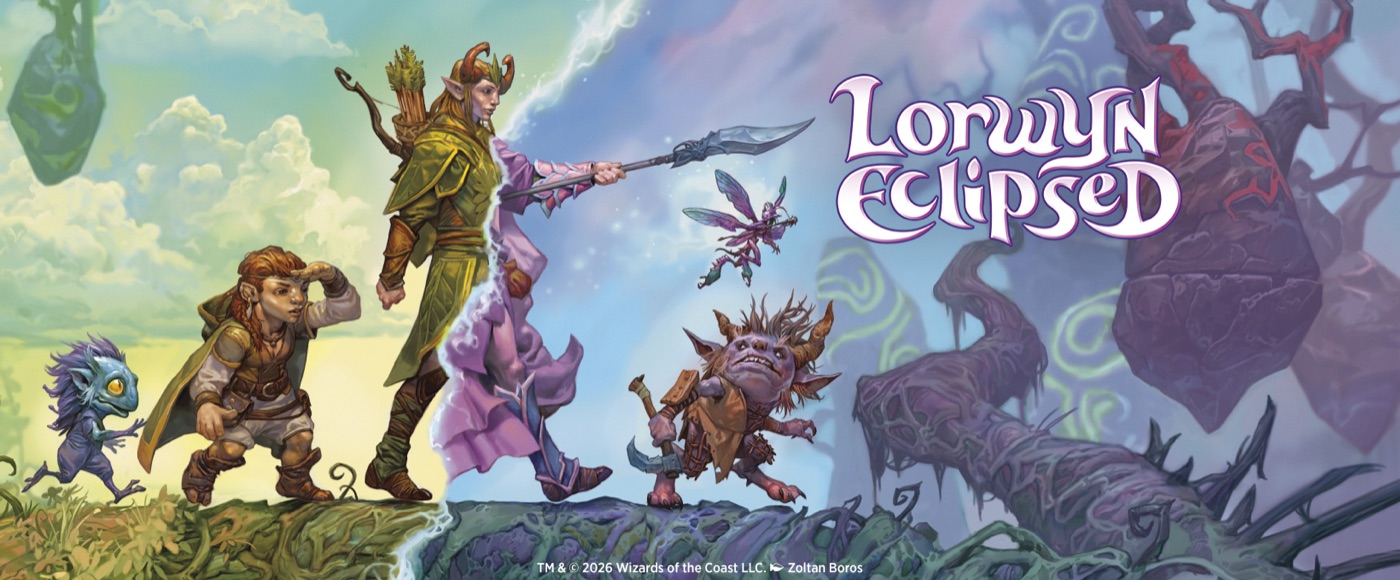
Lorwyn Eclipsed (ECL) is a tribal set. Five color pairs, five creature types, and a draft that rewards you for picking a lane and staying in it. This guide ranks every archetype by real win rate, names the commons that carry decks, and flags the picks the crowd gets wrong.
Every number here comes from our own data: 17Lands game results across 362,682 tracked ECL games, calibrated card ratings, and 15,502 real decks that won 5 or more matches. Where community consensus and the numbers disagree, we say so.
Want the full card ranking as you draft? Both tools score every card in context as you pick.
Format snapshot: midrange, not durdle
The number that shapes your draft: winning ECL decks run 16 creatures and 7 noncreatures, a creature-first midrange format, 23 cards total, with about 5 of those going to removal. You are not assembling a spell-heavy control shell. You are drafting bodies with good stats and a handful of ways to kill theirs.
The curve is honest. Real 5-plus-win decks peak hard at two mana (7.9 twos on average), then 6.0 threes, 4.0 fours, 2.5 fives, 1.3 sixes-and-up. Build toward eight two-drops and you will rarely stumble.
Most community guides call ECL "slow" and "board-stall-heavy." Half right. The format grinds because efficient answers to large creatures are scarce, so boards clog. But tempo still wins games: the on-the-play deck wins 56.9% of the time versus 52.9% on the draw, a +3.9 point play advantage across the whole format. Slow does not mean durdle. Curve out, apply pressure, and make the stall happen on your terms.
Two-color decks dominate. 74.4% of winning decks are exactly two colors; 25.2% splash a third (counted by mana pips, the honest way). Fixing is thin. Pick two colors and commit.
Mechanics that matter
Tribes are the format. Five creature types anchor the five main pairs: Merfolk (WU), Elementals (UR), Elves (BG), Kithkin (WG), Goblins with Blight (BR). Payoffs live mostly at uncommon, so the tribal reward is real but not overwhelming. You want a critical mass of your type, not a fragile all-in engine.
Changelings bridge everything. Cards that count as every creature type do the connective work: they fill tribal quotas, smooth awkward drafts, and make a pivot or splash safer. Take them a touch higher than raw stats suggest: their flexibility compounds with whatever lane you land in.
Blight (-1/-1 counters) is more punishing than it reads on the card. It doubles as removal, sacrifice fuel in BR, and a slow grind engine in black midrange. Respect it on defense.
Convoke shows up in WU Merfolk and quietly enables the Elemental "four-or-more mana value" payoffs by letting you cast big spells early. Keep spare bodies alive; they are mana.
Vivid scales with the number of colors among your permanents. It powers the greedy three-plus-color good-stuff decks, but those are a minority in draft (see the mana section). Do not force it.
Archetype rankings
Ranked by real game win rate, two-color decks only. The tracked-population baseline is 54.9% (17Lands users win above 50%), so read these numbers relative to that, not to a coin flip.
| Rank | Pair | Tribe | Game WR | On-play WR | Share of 5-win decks |
|---|---|---|---|---|---|
| 1 | BG | Elves | 57.2% | 59.3% | 22.6% |
| 2 | WG | Kithkin | 56.6% | 59.9% | 14.8% |
| 3 | WU | Merfolk | 56.1% | 58.5% | 20.2% |
| 4 | UR | Elementals | 55.8% | 57.4% | 18.7% |
| 5 | BR | Goblins / Blight | 53.2% | 54.2% | 11.0% |
The five defined tribal pairs are, exactly, the five best pairs by win rate. Every off-pair (WB, UB, UG, RG, WR) sits below 52.5% and shows up in fewer than 4% of winning decks. The lanes are the lanes. Fight the enemy-color wedges only when a bomb pulls you there.
1. BG Elves (57.2%, the format's best deck)
Golgari Elves is the most-drafted and highest-winning pair in ECL, and it's not close. It is a midrange toolbox: efficient elves, recursion, and the format's deepest removal suite in-color. The early turns feel slow, then the synergy and card advantage bury people in the grind ECL naturally produces.
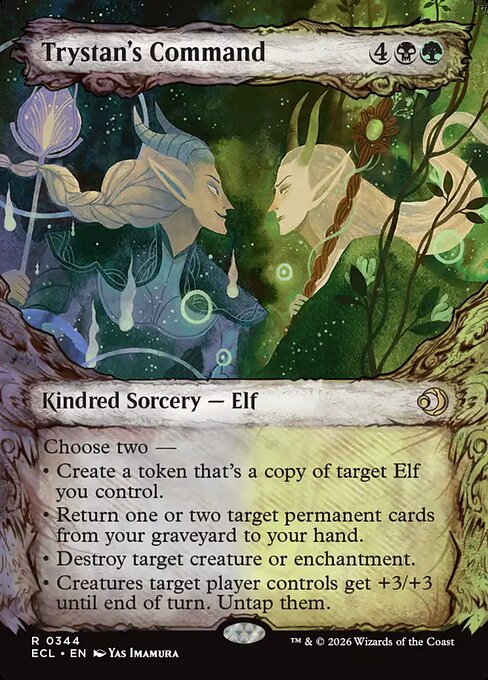
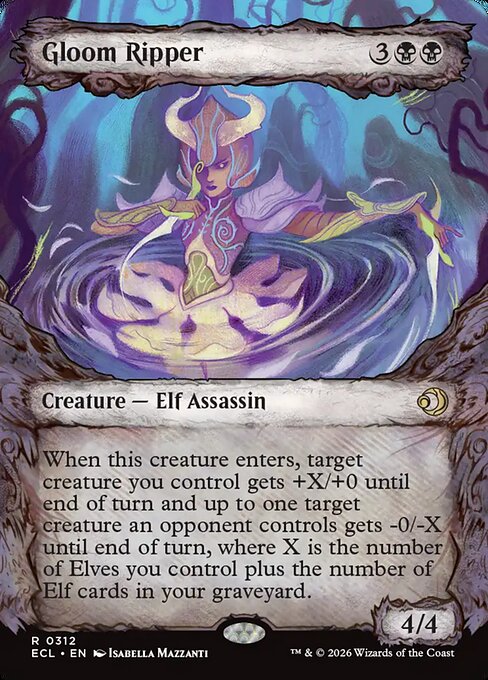
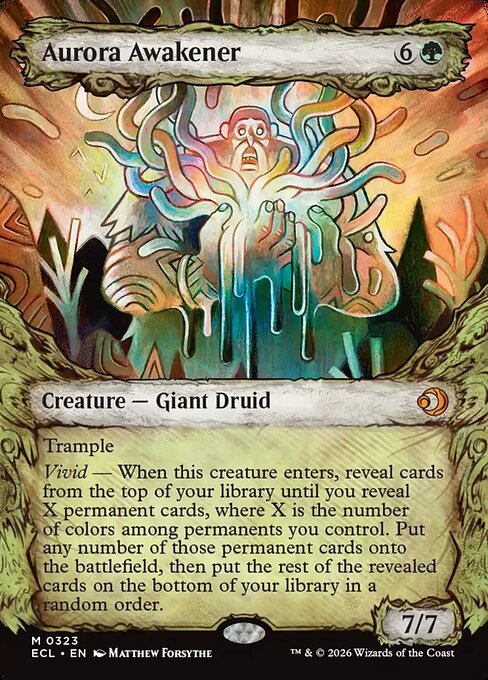
Key cards: Trystan's Command (BG, 3.53 rating, 0.695 win rate) is a flexible modal removal-plus-value rare. Gloom Ripper (B, 3.48, 0.703 win rate, the best in the color) anchors the curve. Aurora Awakener (G mythic, 3.54) is a top-end payoff. Eclipsed Elf and Morcant's Loyalist (both BG gold, ~3.37) reward the tribe. Assert Perfection (G common, 3.37) is the best common in the set, and it's on-color here.
2. WG Kithkin (56.6%, the sleeper)
Selesnya Kithkin goes wide and hits hard. It has the strongest on-the-play win rate of any pair (59.9%), which is exactly what you want from a curve-out go-wide deck. Most community guides underrate it: Card Kingdom ranks it near the bottom while admitting it is "quietly strong statistically." The numbers back the admission, not the ranking.
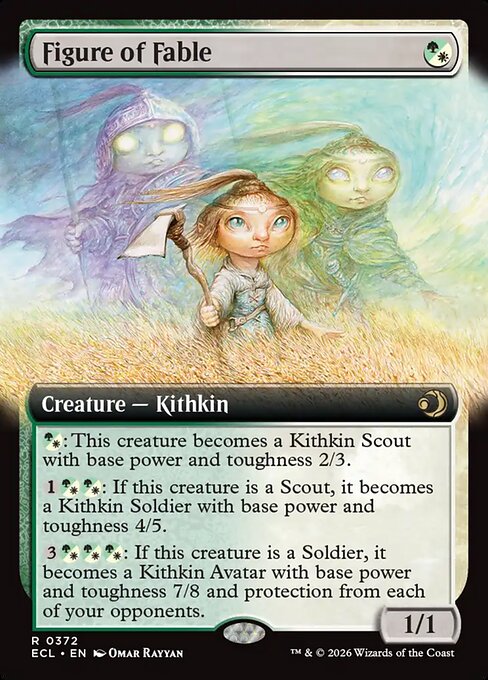
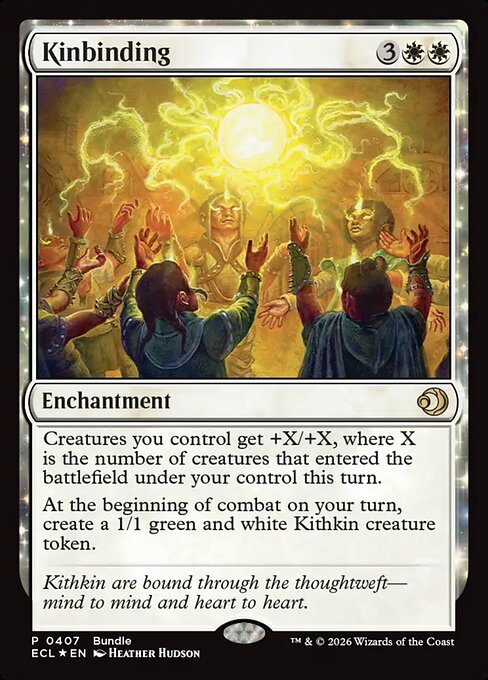
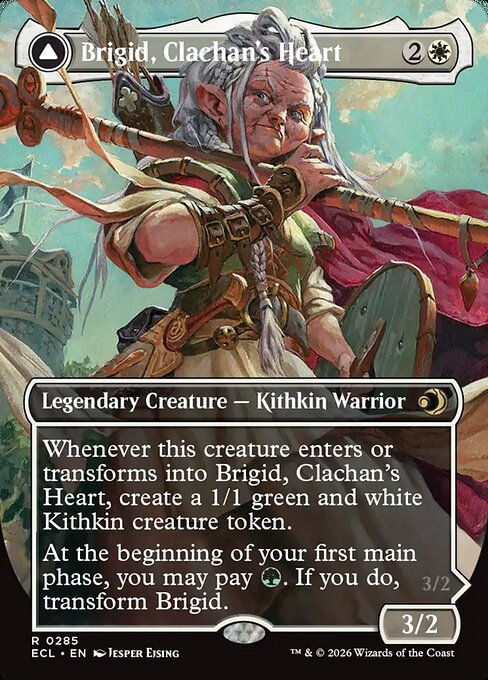
Key cards: Figure of Fable (WG gold, 3.59) is the best two-color card in the set. Kinbinding (W, 3.56) and Curious Colossus (W mythic, 3.52) are premium white picks. Aurora Awakener (G, 3.54) tops the curve. Brigid, Clachan's Heart (WG, 3.36) is the tribal reward. Prioritize two-drops and a couple of anthem effects, then close before the board clogs.
3. WU Merfolk (56.1%, strong, not the throne)
Azorius Merfolk is a tempo-and-value deck built on "when tapped" triggers and convoke. It is genuinely excellent and the second-most-popular deck. But it is not the best deck, despite two of the guides we read crowning it. It sits 1.1 points behind BG Elves. Draft it happily; do not treat it as the default best-in-set.
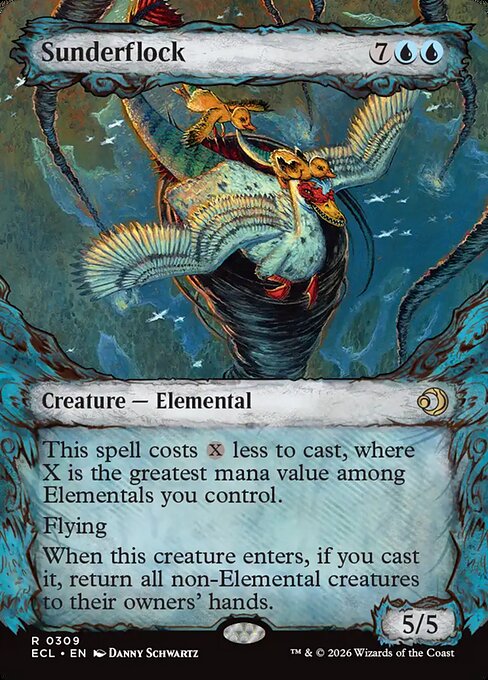
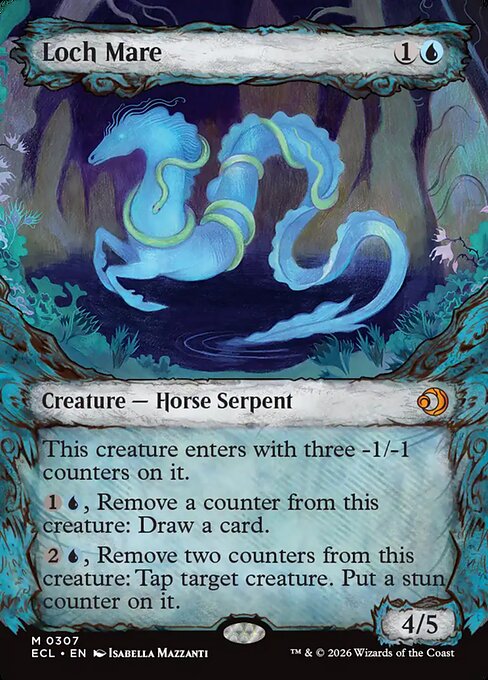
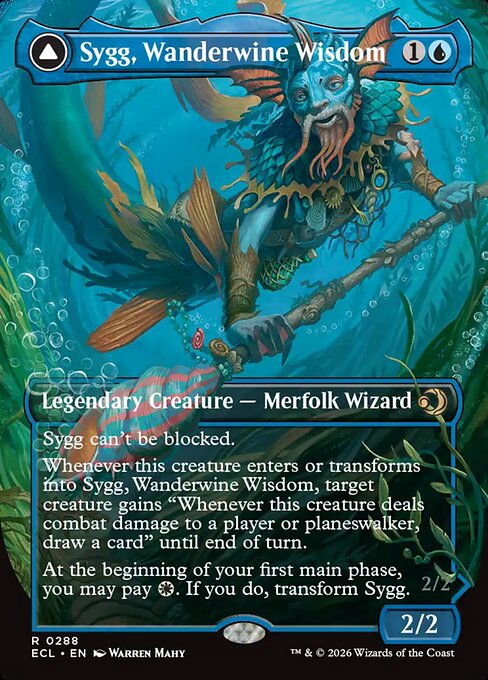
Key cards: Kinbinding (W, 3.56) and Curious Colossus (W, 3.52) headline. Sunderflock (U rare, 3.44, 0.700 win rate) is a format-defining sweeper. Disruptor of Currents and Loch Mare (both U, 3.49) give the deck reach and removal. Sygg, Wanderwine Wisdom (WU, 3.39) is the tribal captain.
4. UR Elementals (55.8%, not the trap the community thinks)
Izzet Elementals is a setup-and-payoff deck keyed on high-mana-value spells and "four or more" triggers. Card Kingdom ranks it dead last among the tribes and calls it "puzzle-like." Our data disagrees flatly: at 55.8% it is essentially tied with WU Merfolk and the fourth-most-drafted pair (18.7% of winners). It is a real deck that plays out differently, not a trap.
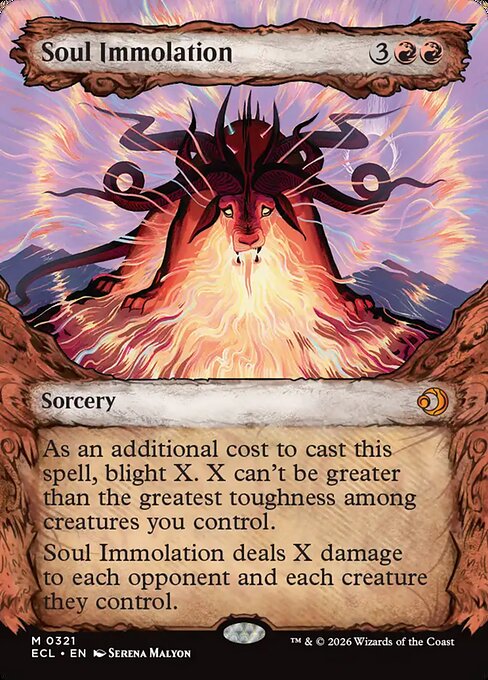
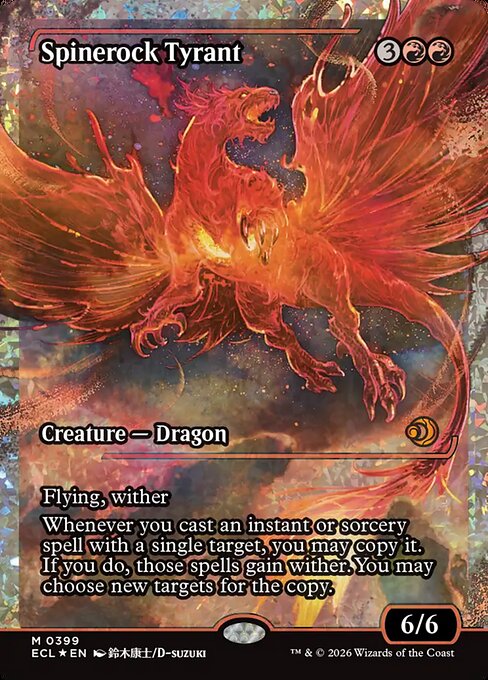
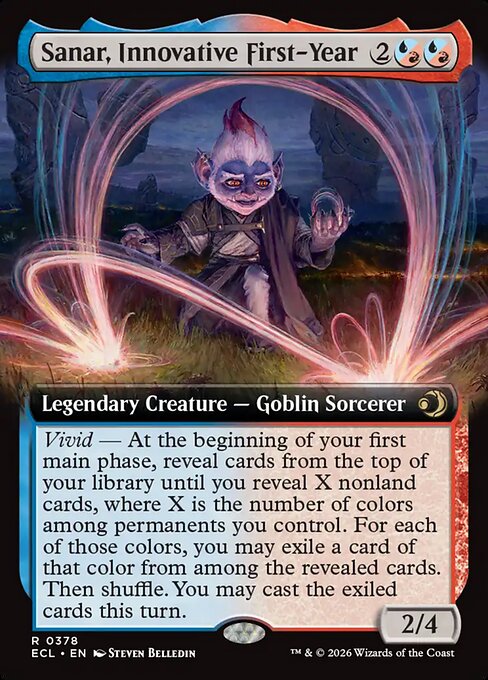
Key cards: Ashling's Command (UR gold, 3.56, 0.711, the single best win rate in the set) is a broken modal rare. Soul Immolation (R mythic, 3.56) and Spinerock Tyrant (R mythic, 3.51) are top-end fires. Sanar, Innovative First-Year (UR, 3.52) rewards the setup plan. Sunderflock (U, 3.44) resets clogged boards.
5. BR Goblins / Blight (53.2%, the weak lane, and everyone agrees)
Rakdos is the aggressive sacrifice deck: goblins, blight counters as removal-and-fuel, reach damage. It is the fastest archetype and the only one that consistently punishes greedy manabases. It is also clearly the weakest of the five. Both Draftsim and Card Game Base call Goblins the worst deck, and our 53.2% agrees. Draft it when it is wildly open, not by default. The reward for reading an empty Rakdos lane is real; the reward for forcing it is a losing record.
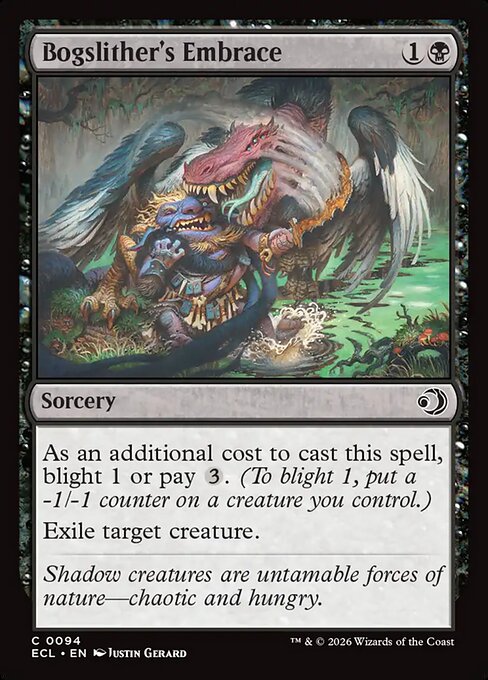
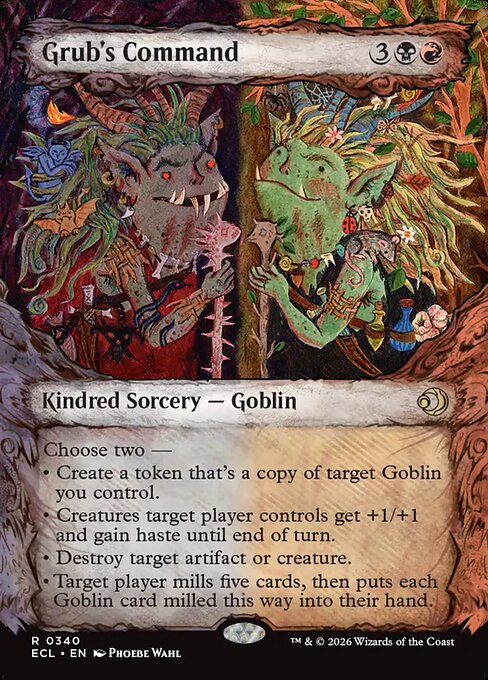
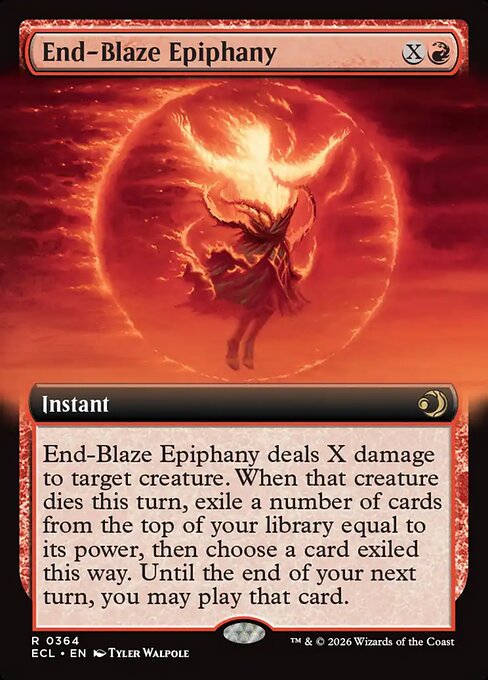
Key cards: Soul Immolation (R, 3.56), Spinerock Tyrant (R, 3.51), and Gloom Ripper (B, 3.48) are the power. End-Blaze Epiphany (R, 3.43) and Grub's Command (BR, 3.13) round out removal and reach. Bogslither's Embrace (B common, 3.32) is premium interaction.
Best commons by color
Commons are the backbone of every pick order. These are the ones that win games, ranked by our calibrated base rating with game win rate noted. For the full list, use the ECL tier list.
White - Liminal Hold (3.28): four-mana removal, main-decked 83% of the time. The best white common. - Spiral into Solitude (3.20): clean two-mana answer. - Wanderbrine Preacher (2.93) and Timid Shieldbearer (2.91): solid tribal bodies that fill the two-slot.
Blue - Blossombind (3.19): removal that also enables Merfolk tempo. - Unexpected Assistance (3.03): card advantage taken late (ALSA 6.2) for a 0.612 win rate. - Temporal Cleansing (2.86): a tempo reset that goes far later than it should.
Black - Bogslither's Embrace (3.32): the best black common, two-mana removal. - Blight Rot (3.28): efficient blight-based removal. - Scarblade Scout (3.09) and Dawnhand Eulogist (3.04): Eulogist posts a 0.626 win rate, top-tier for a common, and reliably wheels.
Red - Cinder Strike (3.29): one-mana removal, the best red common. - Tweeze (3.19) and Feed the Flames (3.17): flexible burn. - Kulrath Zealot (3.10) and Flamekin Gildweaver (2.96): Gildweaver is a fixer with a strong 0.043 improvement-when-drawn, and it goes around pick 7.
Green - Assert Perfection (3.37): the best common in the entire set, green removal at 0.632 win rate. - Lys Alana Informant (3.18): the most-played card among winning decks (32% of them). - Safewright Cavalry (3.03) and Mistmeadow Council (2.99): efficient green bodies.
Removal guide
Winning decks run 5.0 to 5.3 removal spells. Get there. The format lacks clean answers to big creatures, so every efficient piece matters, and the ones that hit large bodies are worth a premium.
The best removal, by rating: - Ashling's Command (UR, 3.56) and Trystan's Command (BG, 3.53): modal rares that remove and add value. - Loch Mare (U, 3.49), Disruptor of Currents (U, 3.49), Vibrance (GR, 3.47): rare-level answers with reach. - Rimekin Recluse (U uncommon, 3.46): the best uncommon removal, and it wheels to pick 2-3. - Sunderflock (U, 3.44) and Deceit (BU, 3.44): the format's premier sweepers. Sunderflock is worth a first pick.
The premium commons double as your removal base: Assert Perfection (G, 3.37), Bogslither's Embrace (B, 3.32), Cinder Strike (R, 3.29), Blight Rot (B, 3.28), Liminal Hold (W, 3.28). Green and red carry the most efficient commons, which is one more reason those colors show up in the best decks.
Skip the traps: Goatnap (R, 2.30), Unforgiving Aim (G, 2.43), and Crib Swap (W, 2.54) all rate below replacement. They are removal in name; they lose games in practice.
Mana, fixing, and splashing
Keep it tight. Winning ECL decks average 0.45 nonbasic fixing lands and about 2 total mana producers. The median winning deck runs zero fixing lands. This is a two-color format that occasionally reaches for a third.
The splash numbers, counted by mana pips: 74.4% of winners are exactly two colors, 18.6% are three, and only 6.7% go four-plus. (You may see a stat site claim ECL is closer to 50% two-color; that counts hybrid cards as both their colors and overstates splashing. By actual mana pips it is 74.4%.)
If you do splash, green and red have the fixing and white and black do not. The real fixers are the vivid-support cards and rocks: Great Forest Druid, Shimmerwilds Growth, Springleaf Drum, Foraging Wickermaw, and Manamorphose, plus basic-fetchers. Splash only for a genuine bomb, and only with two-plus sources to cast it. Hybrid mana costs, which are everywhere in ECL, quietly punish greedy manabases by demanding specific colors early.
Overrated and underrated
This is where context beats raw stats. Some cards get taken early and lose; some wheel and win.
Underrated (taken late, win a lot): - Dawnhand Eulogist (B, ALSA 6.1, 0.626 win rate): a top-tier win rate for a card that reliably wheels past pick 6. - Temporal Cleansing (U, ALSA 7.2, 0.615): a tempo reset the table gives away. - Safewright Cavalry (G, ALSA 6.1, 0.613): quietly one of green's best bodies. - Kindle the Inner Flame (R uncommon, ALSA 7.6, 0.613) and Flamekin Gildweaver (R, ALSA 6.8, 0.610): red value the crowd sleeps on. - Puca's Eye (colorless uncommon, ALSA 8.7, 0.607): playable in any deck and drafted near-last.
Overrated (taken early, underdeliver): - Bloom Tender (G, ALSA 1.4, 0.568): a first-pick reputation and a below-average win rate. - Rhys, the Evermore (W, ALSA 1.9, 0.574), Bitterbloom Bearer (B, ALSA 0.9, 0.588), Moonshadow (B, ALSA 1.1, 0.589): rares and mythics that the crowd first-picks and that win at rates a good common matches. They are fine cards; they are not the slam-dunks their pick numbers imply. Take the on-color removal or the tribal two-drop that actually holds your curve together.
The pattern: ECL rewards curve, removal, and tribal density over marquee names. Score against the pool you've already drafted, and it will flag the flashy rare that's worse for your deck than the common that wheels.
Quick-start checklist
- Draft creatures first. Aim for 16, curve peaking at eight two-drops.
- Take 5-plus removal spells. Prioritize the ones that kill big creatures.
- Pick a tribe early and read the lanes. BG Elves and WU Merfolk are the most open and the most rewarding.
- Do not force BR Goblins. It is the weakest pair unless it is wide open.
- Stay two colors. Splash only for a bomb, only with two-plus sources, and lean on green or red for the fixing.
- Value changelings and wheeling commons above their reputation.
More set guides
Drafting something else this week? Same data, same honesty, for every set we cover: Secrets of Strixhaven, Teenage Mutant Ninja Turtles, and Marvel Super Heroes.
Sources
Our numbers come from the project's own artifacts: calibrated 17Lands ratings, co-occurrence data, deck and draft targets, and real 5-plus-win baselines for Lorwyn Eclipsed. Community guides consulted for mechanics framing and consensus, none quoted at length:
- "Lorwyn Eclipsed Draft Archetypes." Pauper Brews, www.pauperbrews.com/2026/01/lorwyn-eclipsed-draft-archetypes.html. Accessed 19 July 2026.
- "Lorwyn Eclipsed Draft Guide." Card Game Base, cardgamebase.com/lorwyn-eclipsed-draft-guide/. Accessed 19 July 2026.
- "Lorwyn Eclipsed Draft Guide." Card Kingdom, blog.cardkingdom.com/lorwyn-eclipsed-draft-guide/. Accessed 19 July 2026.
- "Lorwyn Eclipsed (ECL) Draft Guide and Archetypes." Untapped.gg, mtga.untapped.gg/limited/draft/lorwyn-eclipsed/set-guide. Accessed 19 July 2026.
- "The Ultimate Guide to Lorwyn Eclipsed Draft." Draftsim, draftsim.com/mtg-ecl-draft-guide/. Accessed 19 July 2026.
MTG Drafts is an unofficial fan tool, not affiliated with or endorsed by Wizards of the Coast.